
A Different Kind of Farm
welcome to city goat farm
The greatness of a nation and its moral progress can be judged by the way its animals are treated.
Mahatma Gandhi
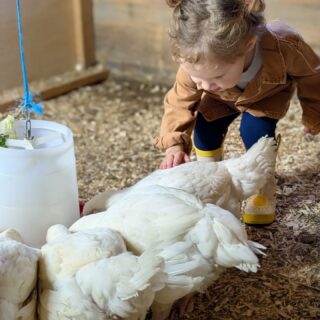
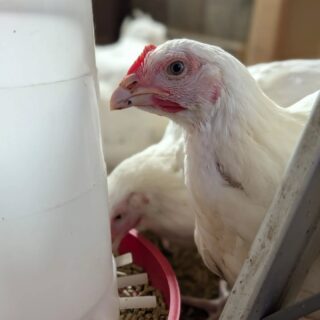


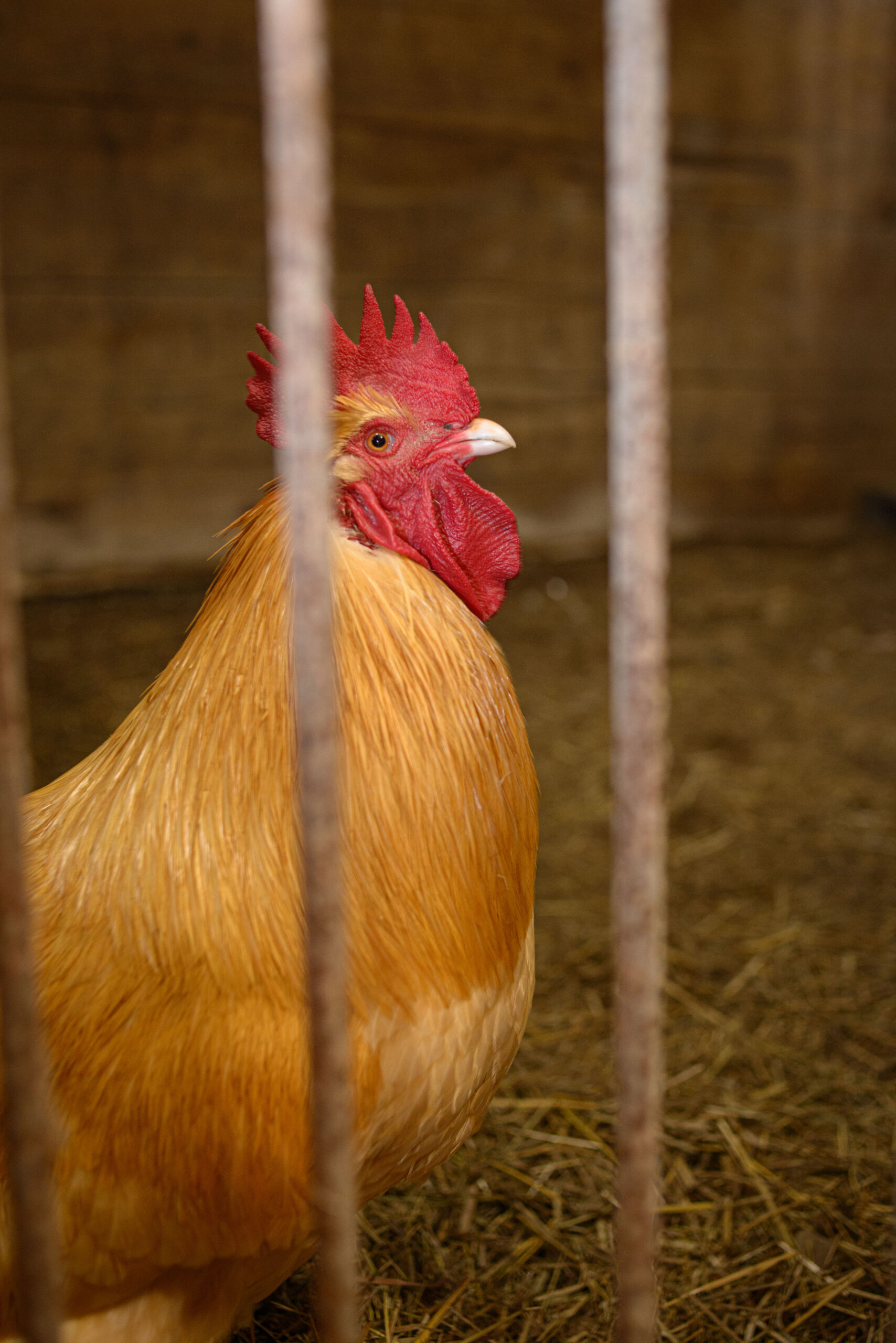
The Kaporos Seven (Blue, Giselle, Olivia, Penny, Ruth, Ursula, and Yael) are settling in well. It's been a long time since we've had young hens (we usually receive rescues that have stopped laying or are later in life), so it's been fun to watch them explore and learn.
We're still deciding which flock to merge them with (main coop, turkeys, or Alfie) based on their needs, but they've been spending time with Alfie and Pomme and have been getting along well. Look forward to more updates and hopefully seeing them outside soon!
#chickenrescue #kaporos #farmsanctuary
11 hours ago
View on Instagram
|
1/6
Thank you to everyone who joined us last weekend for our Halloween Open House! 🎃🐐👻
It was wonderful to see familiar faces, meet new friends, and share a little of what makes City Goat Farm so special.
Every opportunity to connect with our rescued residents is also a chance to show just how much these animals deserve kindness, compassion, and a life of their own. ❤️
We're grateful to everyone who spent part of their weekend with us. Here's a little look at the day courtesy of @gipsova!
3 days ago
View on Instagram
|
2/6


We’re hard at work getting ready for our Goats & Ghosts Open House this Friday! 🐐👻
We’re so excited to have @happysproutsgoodies joining us for the evening!
Come visit the goats, enjoy some fall fun, and get into the spooky spirit with us.
3 weeks ago
View on Instagram
|
3/6
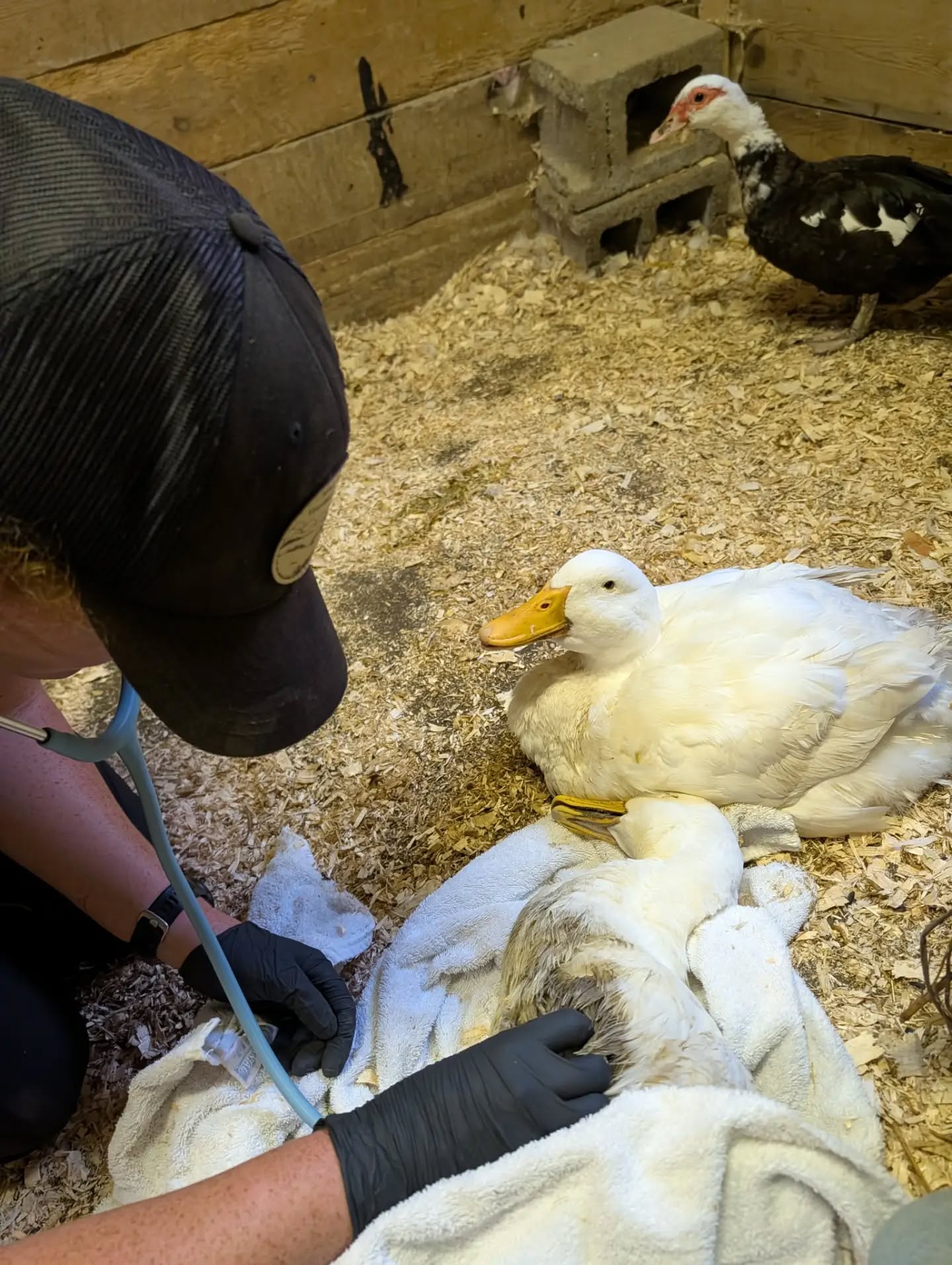
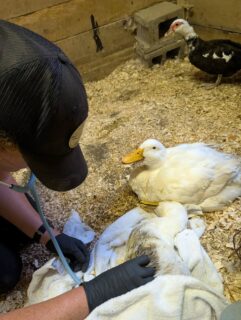
We had to say goodbye to Lady today.
Lady and Gent came to us a few years ago from a local family who was losing their flock to predation and could no longer care for them.
Lady had been managing a long-term suspected pelvic injury, with a lot of ups and downs. Today, we knew it was time to let her go peacefully and without pain.
We’ve been worried about what losing Lady will mean for Gent, her devoted mate. Thankfully, he and Lucky have grown closer, though we know they’ll both feel her loss. We had Gent and Lucky with Lady when we said goodbye so they could mourn her in their own way.
Our ducks are deeply bonded to their family and mates, and none of them are particularly comfortable with people. So watching Gent choose to approach Lady and stay with her in her final moments was incredibly moving.
We’re heartbroken, but we know we made the right decision for Lady. She was loved, cared for, and able to leave peacefully.
If you’d like to honor Lady, a donation to City Goat Farm would mean a lot and will help us continue caring for Gent, Lucky, and all of our residents.
Rest peacefully, Lady. We’ll miss you.
3 weeks ago
View on Instagram
|
4/6
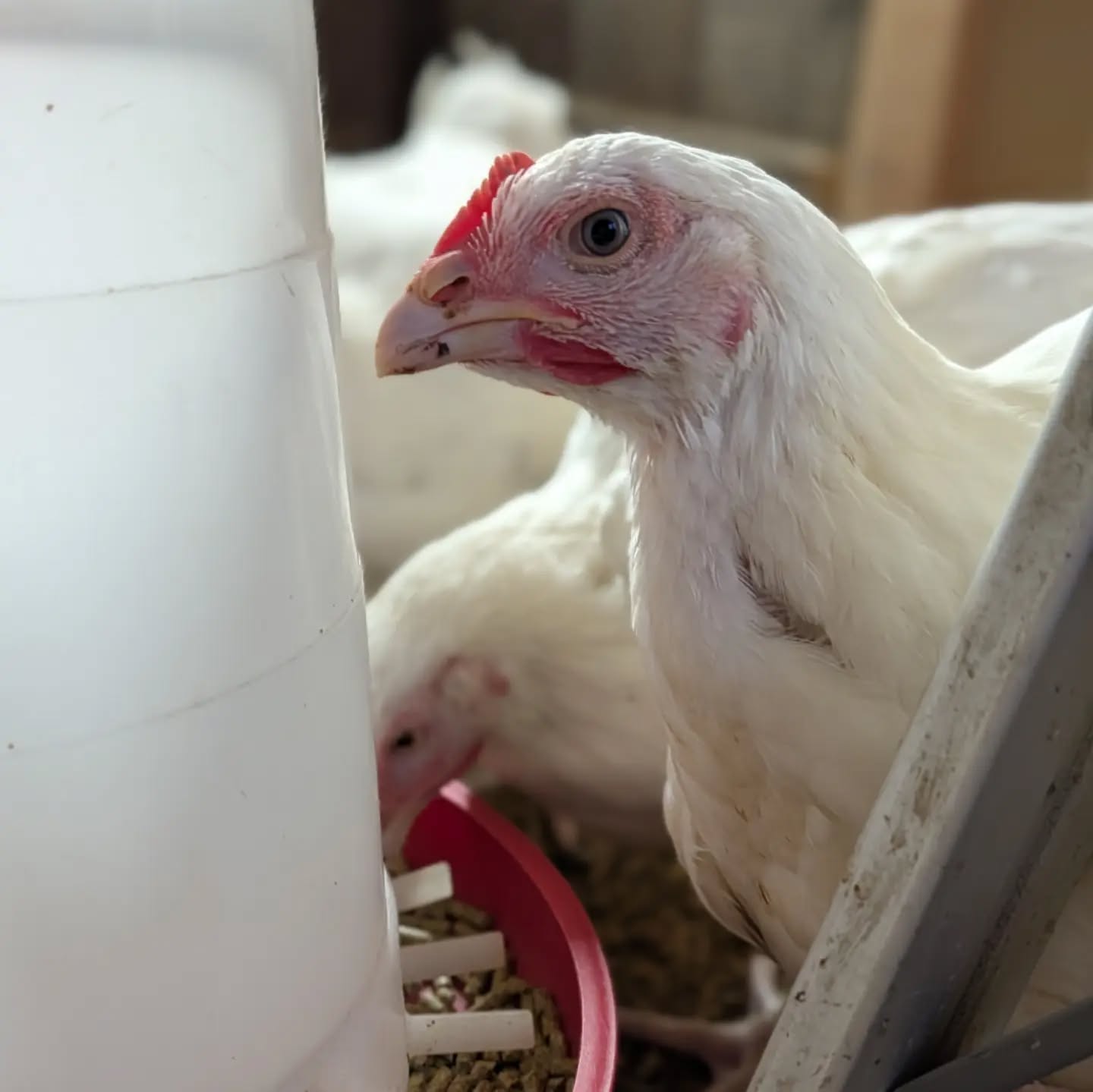
One of the things I think about often at City Goat Farm is how our residents came to be here. Their stories are all different, but most have one thing in common: at some point, someone cared enough about that individual animal to help get them somewhere safe.
Today, we welcomed seven young hens rescued from the use of live chickens in Kapporos, a tradition observed by some Orthodox Jewish communities before Yom Kippur. Kapporos can be practiced in different ways, but when chickens are used, they are customarily swung or passed over a person’s head before being slaughtered. @kaporoscompassion and its partners rescued 360 birds this year, giving them the chance to find homes instead.
Sitting with these young hens tonight brought me back to a question I find myself asking again and again:
Why are we so horrified when we witness animal suffering in front of us, yet so comfortable with suffering that happens out of sight?
Often, suffering is far away from us, in places we don't see, involving animals we'll never meet. When something is common enough, familiar enough, or simply hidden from view, it can become much easier not to think about. We get used to things. We stop seeing them.
Tradition makes that especially complicated, whether we’re talking about Kapporos or something as familiar to many of us as eating turkey on Thanksgiving.
As a Jewish person, I don’t believe compassion and tradition are at odds. And I don’t believe something should be beyond questioning simply because it has been practiced for generations. I believe we can honor our faith, our cultures, and our communities while still asking whether the ways we practice our traditions reflect our values.
I try to ask myself whether the choices I make and the traditions I participate in reflect the compassion I believe in. I think that’s a question worth asking even when the answer is uncomfortable. Especially when the suffering has become ordinary.
For these seven hens, the questions can wait. Tonight, they're safe.
4 weeks ago
View on Instagram
|
5/6
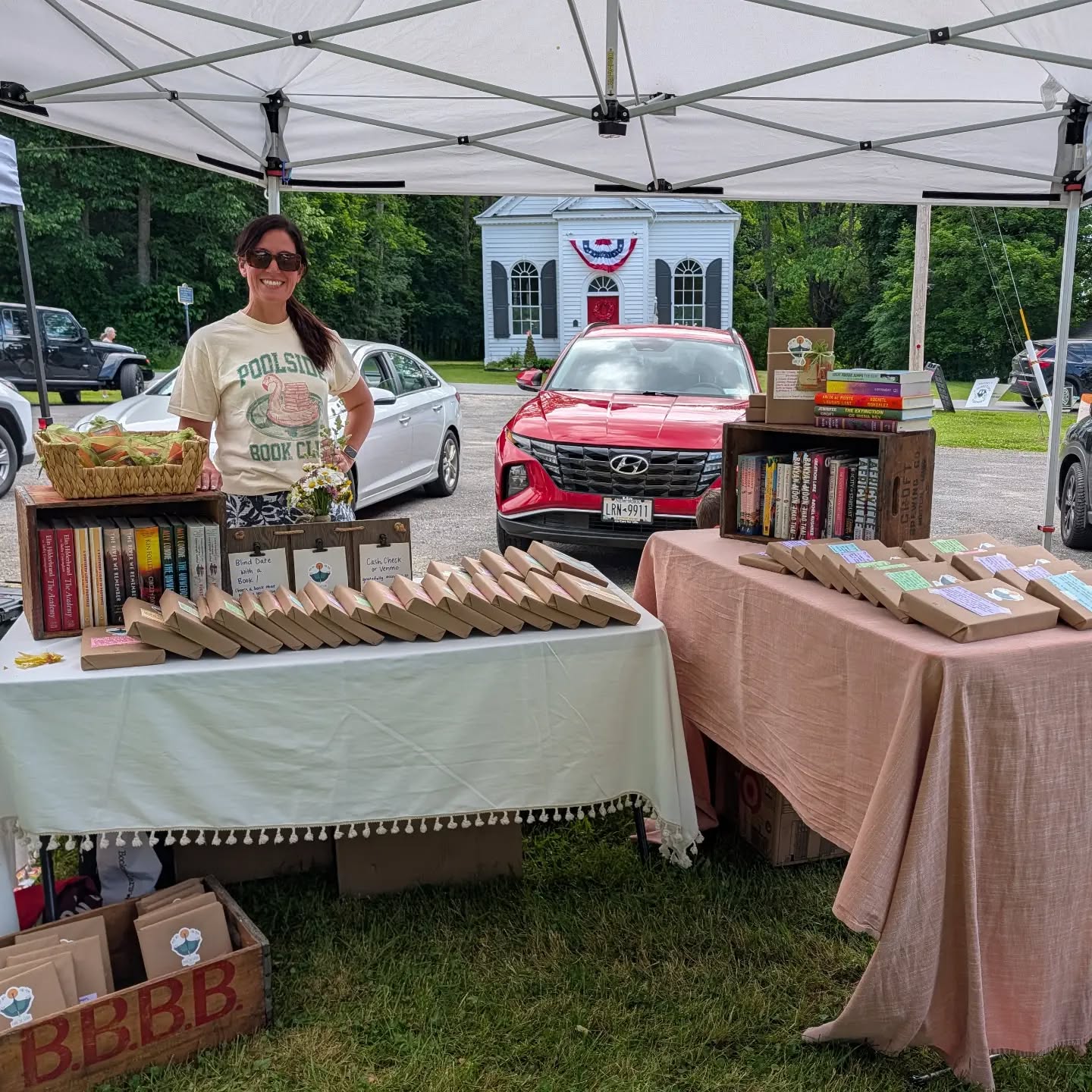
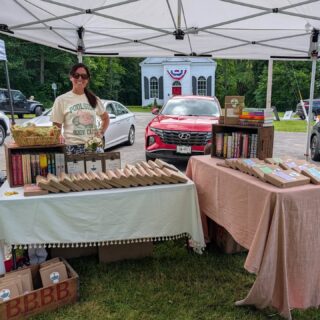
We're so excited to have our friends and neighbors at @birchstarfarmandbooks joining us for our Goats & Ghosts Open House on October 9! 📚
Browse a wonderful selection of new and used books, and take home a little reading adventure with a blind date with a book! And who knows… our Halloween craft might be book-themed, too. 👻
See you in two weeks for an evening of animals, books, and fall fun at the farm!
P.S. A portion of all sales will support the farm!
4 weeks ago
View on Instagram
|
6/6